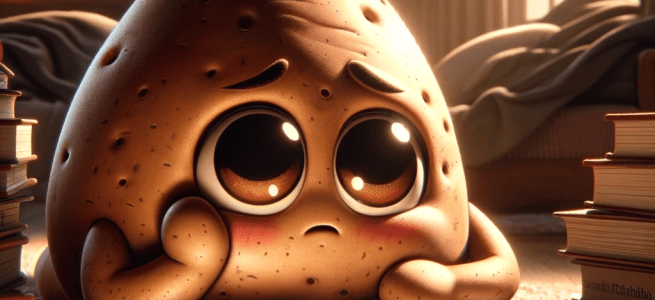
Heartache: emotional anguish or grief, typically caused by the loss or absence of someone loved.
OED
The emotion I felt turning the last pages of this poetry of a novel was heartache. A strange numbness, heaviness, and grief having read the lives of Esme, of Da, of Lizzie, of Mr. Murray, of Gareth, of Bill, of Dittie, and of Tilda. Of the women who lived through the heights of suffrage movement in Britain, of boys who grew into men in boots in the trenches of what is now called WW1.
The story revolves around a rather mundane task: creating an entire dictionary of English words, which would later get published as The Oxford English Dictionary. We meet Esme as a child, small enough to fit under the table of her Da at the Scriptorium, watching her father with amazement as he performed his ritualistic duties as a curator of words for the dictionary. I could relate to her awe, to her fascination to Da’s responsibilities, and in a way, to the life and reason of this child of the 19th century.
We watch Esme grow, we see her silent power, the influences in her life and how each of them shaped her, and of the parts of her that remained constant. We continue to relate to her silly rule-breaking, her small lies, her struggles, her decisions. I wondered if I’d have had the power to live through those years in that strange world.
The writing or the prose itself, is quiet – never overpowering the lives on the pages; and the story is shocking, stunning, beautiful, and agonizing in a way that can only be an accurate representation of reality. We watch Esme struggle with understanding the importance of words, and realizing words can hold differing meanings for men and for women, for the rich and the poor. We see her inadequate solutions for that problem. We see her struggle growing into a young woman in the era of suffragettes, of her questions on the methods of protest, her unwillingness to join the violence. We see her struggle with losses, too many of them. We witness the power of a village – of her people who pull her out of each loss, every time. It is all too relatable.
Set in a tumultuous period for women, the novel explores the importance of words, and what erasure of some could mean. The plot unravels this concept around the thick of suffragettes, suffragists, suffrage, the germination of feminism, the world of needless wars, upended lives, and most of all, of words.
Beautifully written, beautifully put together, this is a story and an emotion that I’ll hold close to my heart for years to come.




 Perplexed Potatoes