This flavorful green has a longer history than its unassuming nature showcases. We’ve found evidence of coriander use six to eight thousand years ago in Israel, and the question of where it originated and was first put to use is still unanswered. The range of that answer covers all the way from Portugal to Israel, approximately 4000 kms in distance.
Interestingly, while the taste of these leaves is typically described as lemony/tart-like, one in four people instead describe them as ‘soap-like’. Odd as it seems, this is linked to a gene that detects aldehydes (that chemical term we learnt in high-school) in coriander which are also incidentally used in soaps and odorants.
Coriander seems to have always had a problem with hiding its body odour. The very name coriander derives from koríannon (Ancient Greek) which is related to kóris, the term for a bed-bug in Greek. The Spanish name cilantro also derives from coriandrum, and is the more common American term for this plant owing to its large use in Mexican cuisine.
Turns out that before we linked the smell of coriander to the cleansing smell of dish-soap, it was already linked to the smell of bed-bugs, and hence earned its name. The 1 in 4 people aren’t the ones who seem like weirdos anymore, huh?
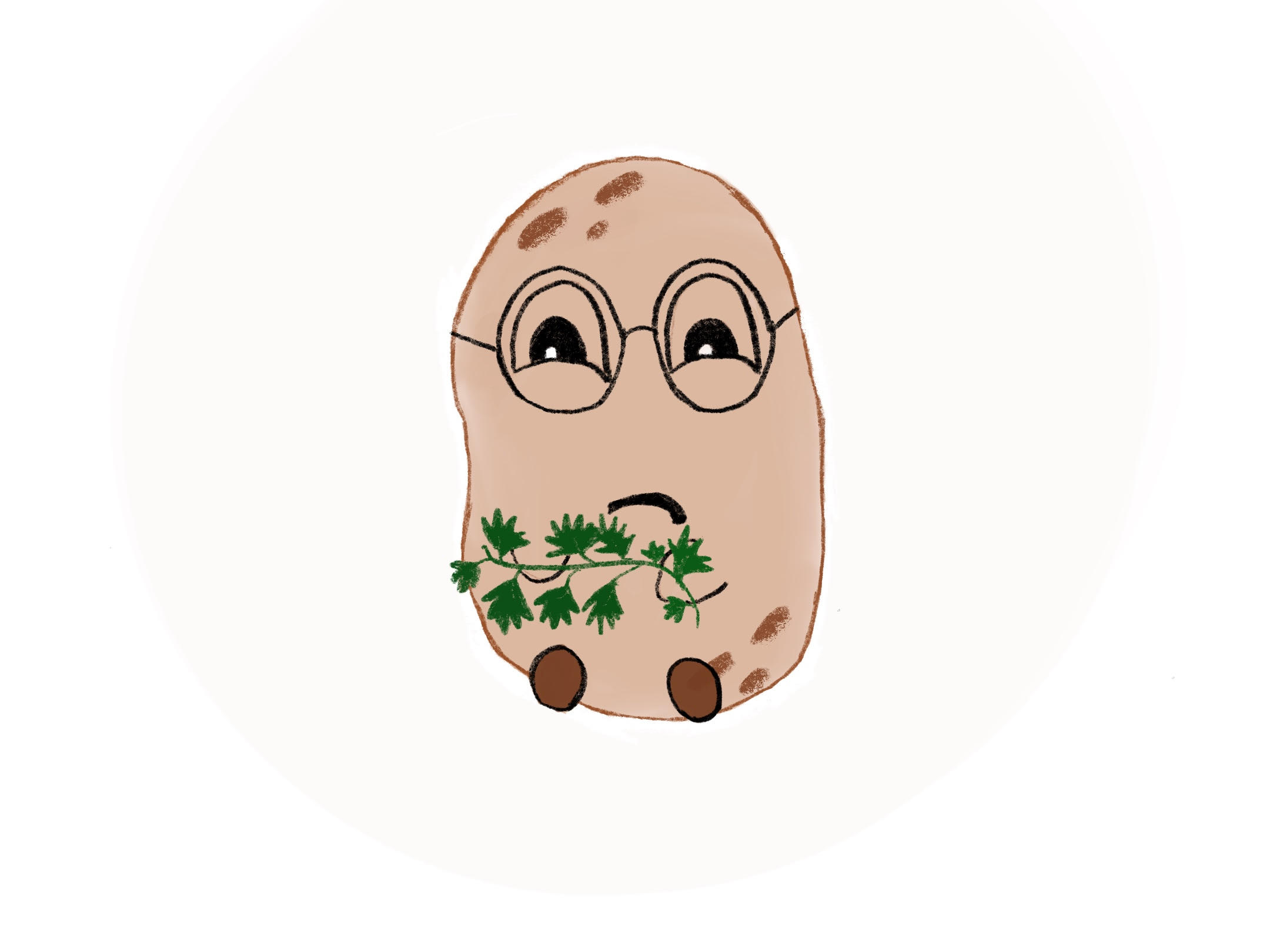

 Perplexed Potatoes